Why it matters
Long-term care insurance in China has grown from pilots into a nationwide system covering 300+ million insured people, about 13,000 designated providers and over 400,000 caregivers. At this scale, service delivery and claim review need a stable, consistent basis for verification.
Public enforcement cases point to three recurring problems:
- Service delivery is invisible — phantom or padded visits and housekeeping substituted for care are hard to detect;
- Quality is hard to measure — entitled care hours and actual hours rarely reconcile;
- Evidence is not retained — in legal proceedings, “no evidence” often means “no service”.
Four questions for every visit
| Category | Question |
|---|---|
| People | Who delivered the service, and to whom? |
| Time & place | When did the caregiver arrive, and where did care happen? |
| Process | What was done, and for how long? |
| Outcome | How were exceptions handled and conclusions reached? |
Lynx Sense × Lynx Hub links all four to one service ID, closing the gaps of scattered records, single-point evidence, weak linkage and broken follow-up.
The service loop
- Business input — work orders and care plans via API, import or configuration;
- Field recording — Lynx Sense records with device identity and a unified clock;
- Controlled export — via USB-C and the Windows export station with SHA-256 checks;
- Platform linking — Lynx Hub indexes records by service ID;
- Rule flags — location, duration and completeness clues are flagged automatically;
- Review & archive — human review with documented outcomes.
A flag is a lead for review — never a verdict on its own.
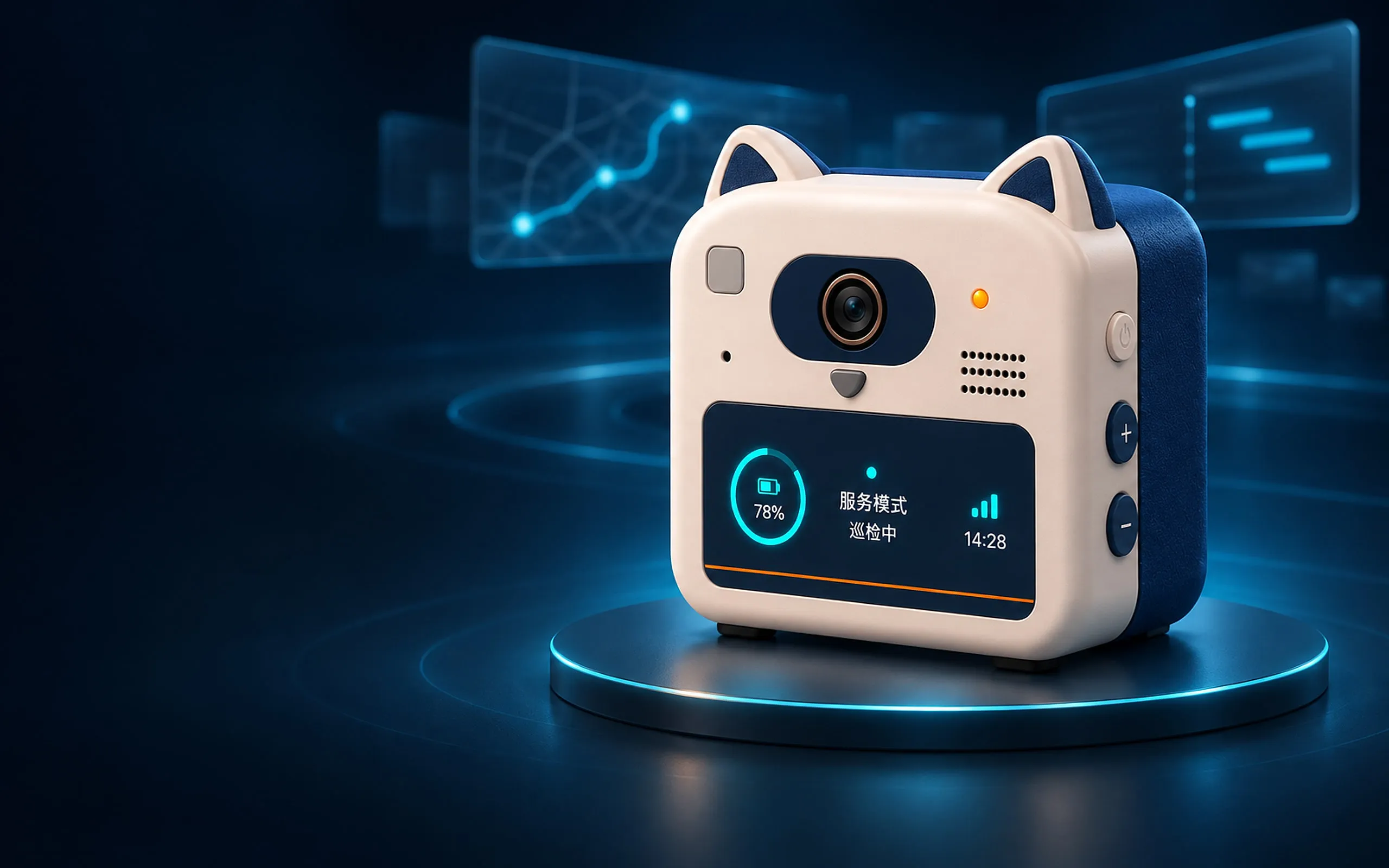
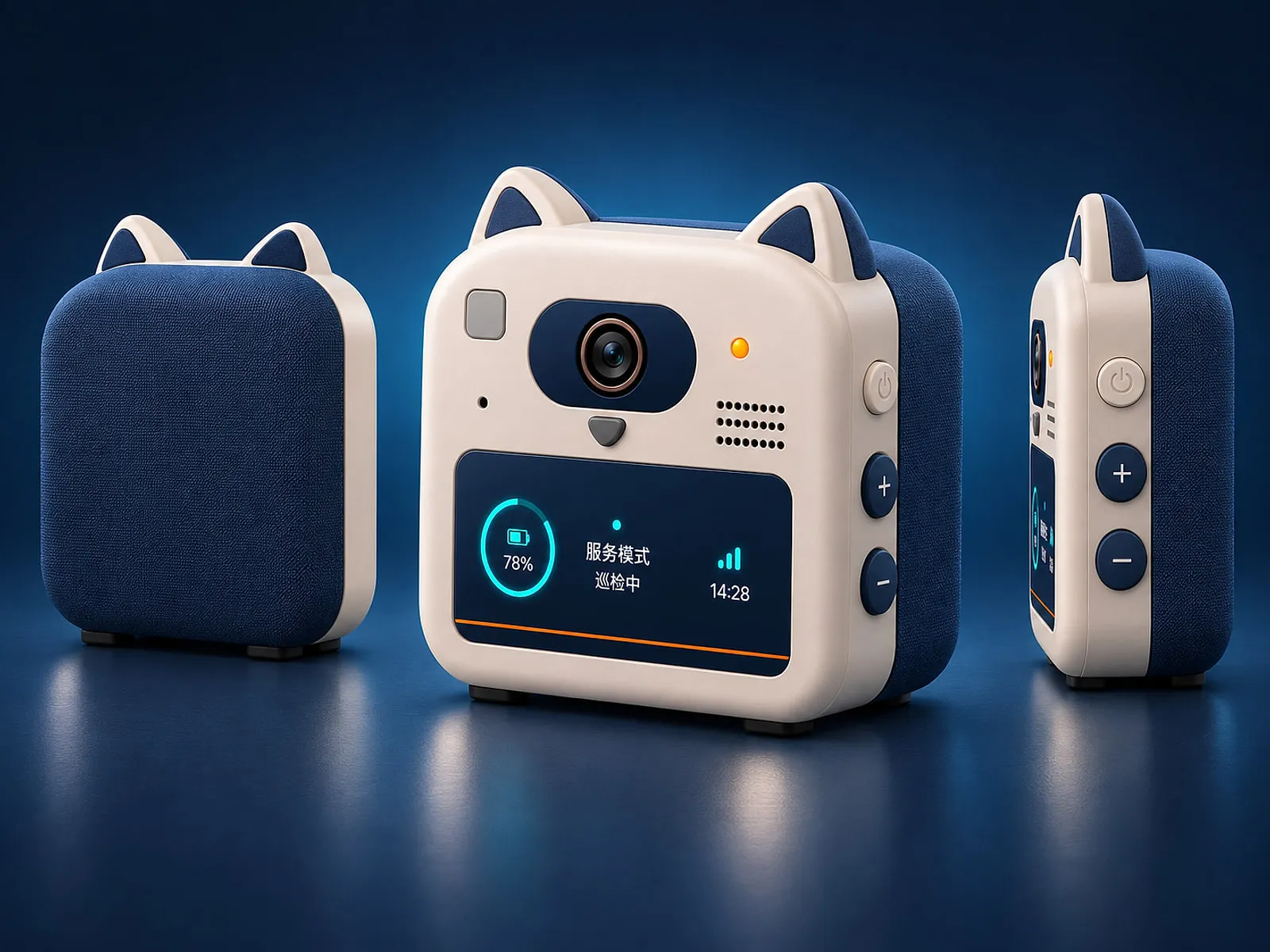
Lynx Sense — field recording terminal
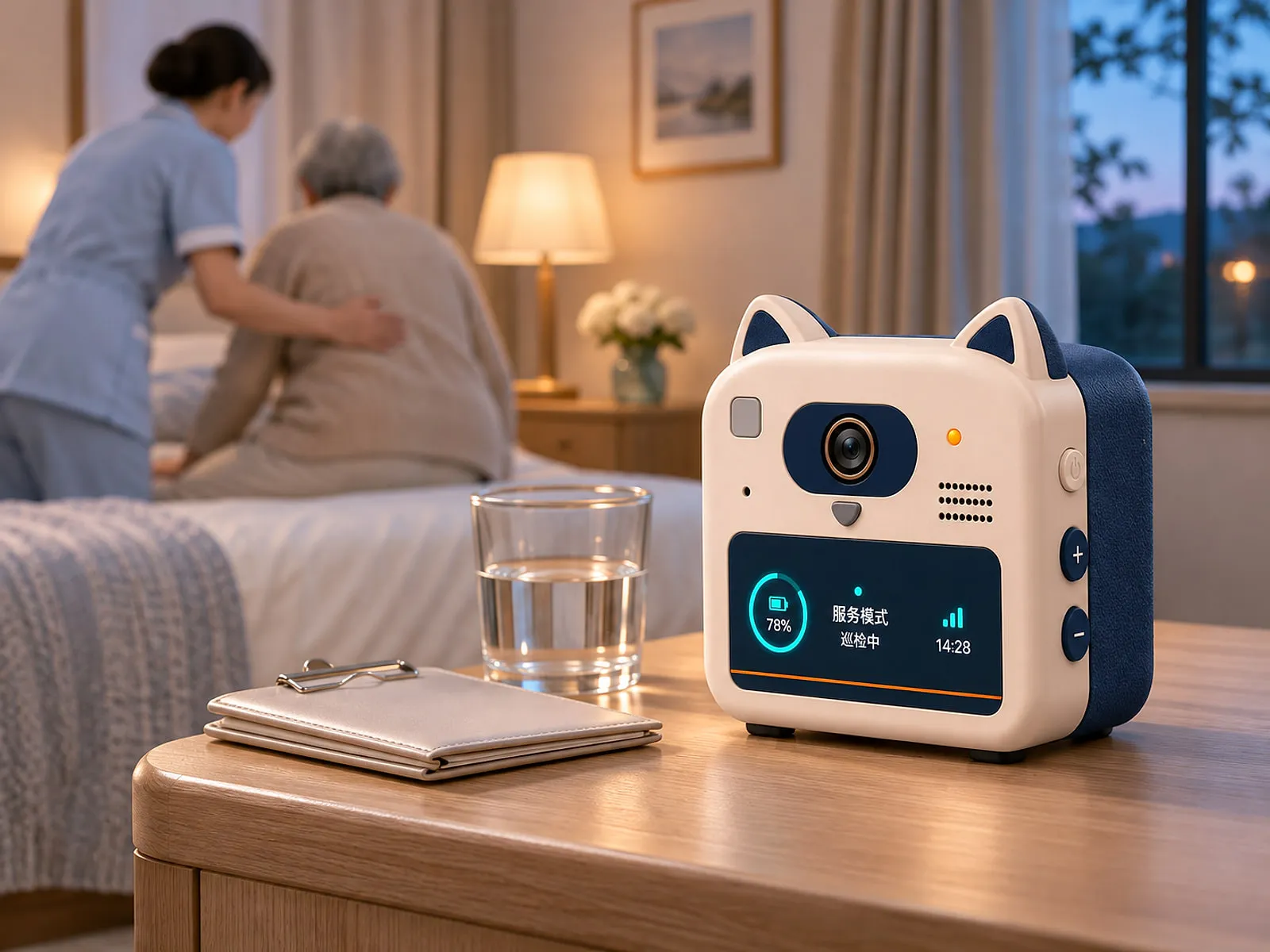
A portable, cat-eared terminal. Caregivers confirm the essentials and the device handles recording by predefined rules: verify staff and visit at the start, record during service (with physical buttons for key captures), and link records to the service ID after import.
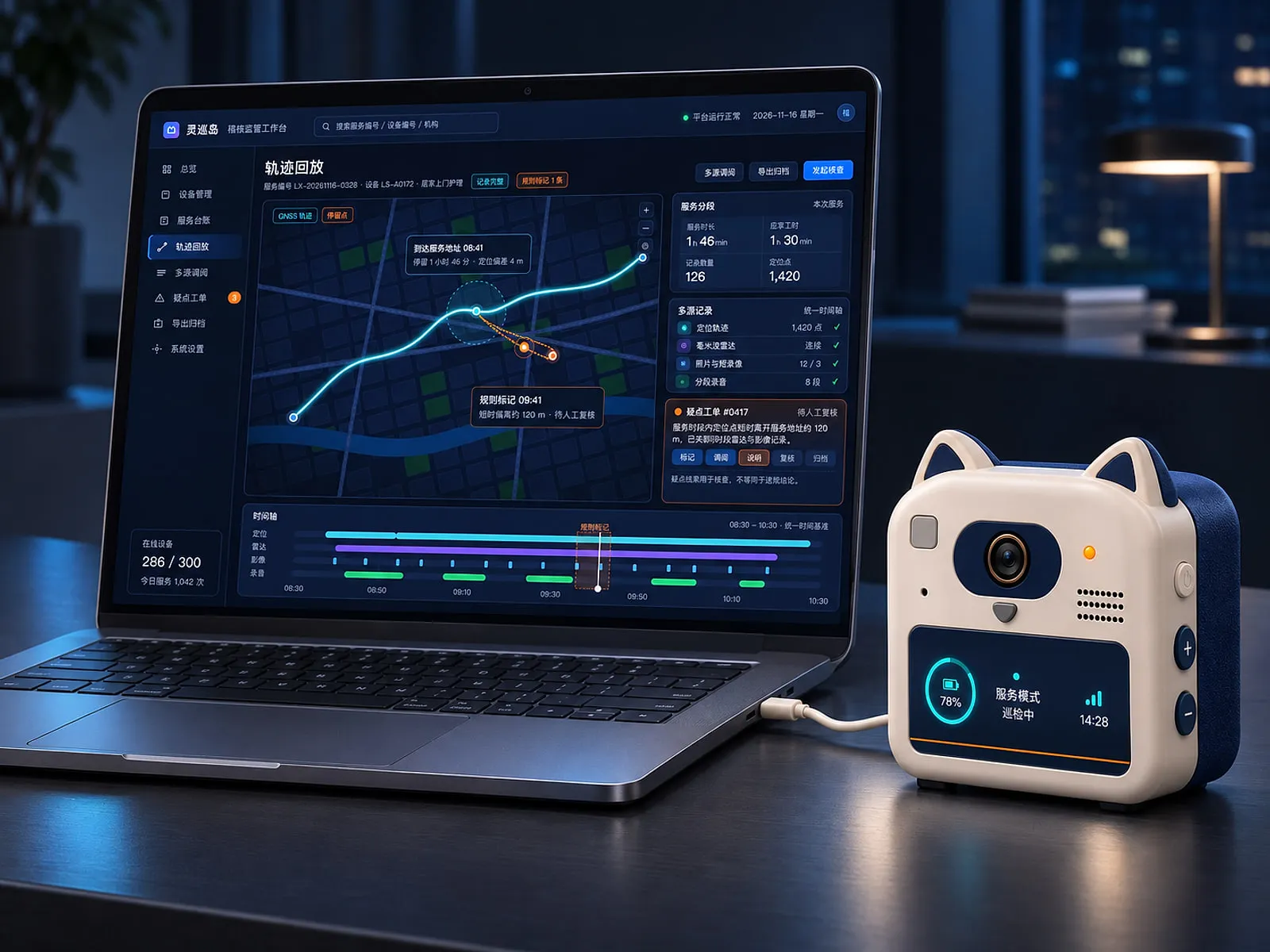
Lynx Hub — audit workstation
- Devices & status — registration, connectivity and date index;
- Service segments — visit counts, durations and record volume at a glance;
- Track playback — replay positions and stops along a timeline, jump to records at key moments;
- Multi-source viewer — tracks, radar, images, audio and events in one place;
- Case tickets — leads, evidence, explanations and conclusions in a single workflow.
Governance
Home care involves personal data and family settings, so governance ships with the product: documented purpose and consent, data minimization with restricted sensitive scenarios, role-based access, and defined retention with scheduled disposal.